

World Social Media Day was a date created by the website Mashable in 2010, as a way to recognise the digital revolution that turned media into a social environment, and has been celebrated on 30 June ever since.
Portugal joined the date in the very year it was created, in 2010.
World Social Media Day takes place on 30 June.
The day is celebrated by organising informal gatherings of people from around the world, either through technological means or in person. Some events are streamed live online and are open to everyone, to make the date truly social. The focus of the gatherings is on sharing knowledge about areas that cut across social media and their specific features.
Some of these events broadcast a wealth of information for social media and/or marketing professionals for free, such as the Social Media Day Summit.
Indeed, social media are becoming more important every day. Although some pioneering social networks like Myspace are no longer relevant, others have become obsessions, such as Facebook and Twitter. Companies themselves have recognised the importance of social media, using sites like LinkedIn to recruit workers. Snapchat, Vine and Instagram are other examples of popular social platforms.
A Social Network is a social structure made up of people or organisations, connected by one or more types of relationships, who share common values and goals. One of the fundamental characteristics in defining networks is their openness, enabling horizontal, non-hierarchical relationships between participants. “Networks are not, therefore, just another form of structure, but almost a non-structure, in the sense that part of their strength lies in the ability to form and dissolve quickly.”
Although one of the principles of the network is its openness and porosity, because it is a social connection, the fundamental link between people is established through identity.
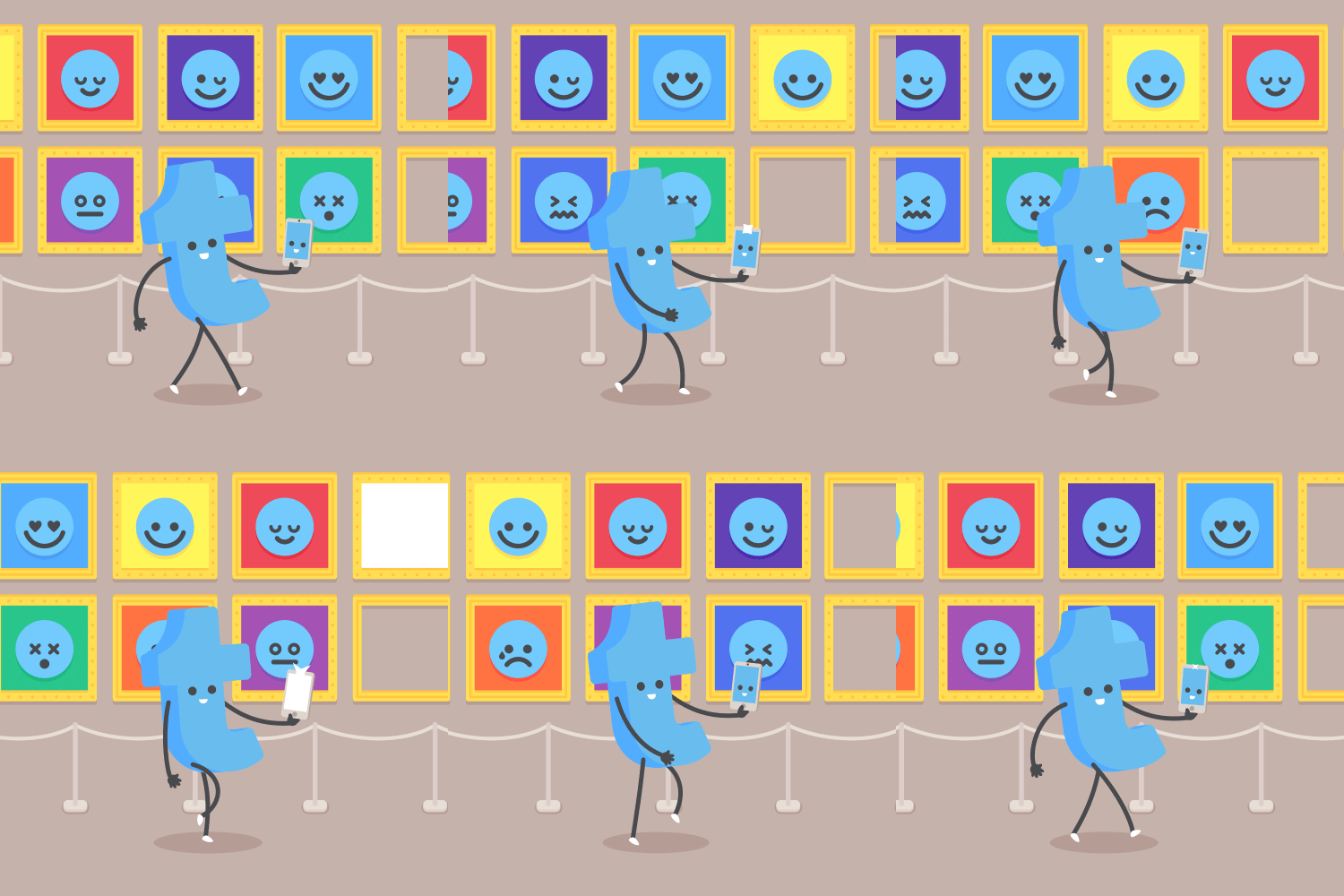
Online social networks can operate at different levels, for example, relationship networks (Facebook, Twitter, Instagram, Google+, Youtube, MySpace, Badoo), professional networks (Linkedin), community networks (social networks in neighbourhoods or cities), political networks, military networks, among others, and allow analysis of how organisations develop their activity, how individuals achieve their goals, or measuring social capital – the value individuals derive from the social network.
Social networks have become increasingly important in modern society. They are primarily characterised by the self-generation of their design, their horizontality and their decentralisation.
A common point among the various types of social networks is the sharing of information, knowledge, interests and efforts in pursuit of common goals. The intensification of social network formation, in this sense, reflects a process of strengthening Civil Society, in a context of greater democratic participation and social mobilisation.
With the various social networks, consumers are in constant contact with brands. This fact results from the technological revolution which, with tablets and smartphones, puts the world in the consumer's hands, and has, as a consequence, a revolution in marketing and the way companies communicate with consumers. Due to this phenomenon, brands in the most diverse business areas are realising that traditional marketing techniques are becoming less effective and more expensive, because segmentation in “traditional” marketing is much less effective and measuring impact is not immediate, which is the case with digital marketing and, especially, with social media marketing.
Brands can no longer control either their communication or what is said about them on social networks. The consumer has taken control and is participatory in the entire communication process, to the point where brands must present relevant, pertinent and appropriate content to consumers' desires and needs in order to have “permission” to speak to them. This phenomenon is directly linked to an emerging concept in marketing and communication: earned media.
Nowadays, with constant access to the Internet and, consequently, to social networks, consumers honestly convey their opinion about all their experiences to their influence group (friends and followers). What ends up happening is that people begin to trust these reviews and information provided by consumers themselves more than they trust brand communications.
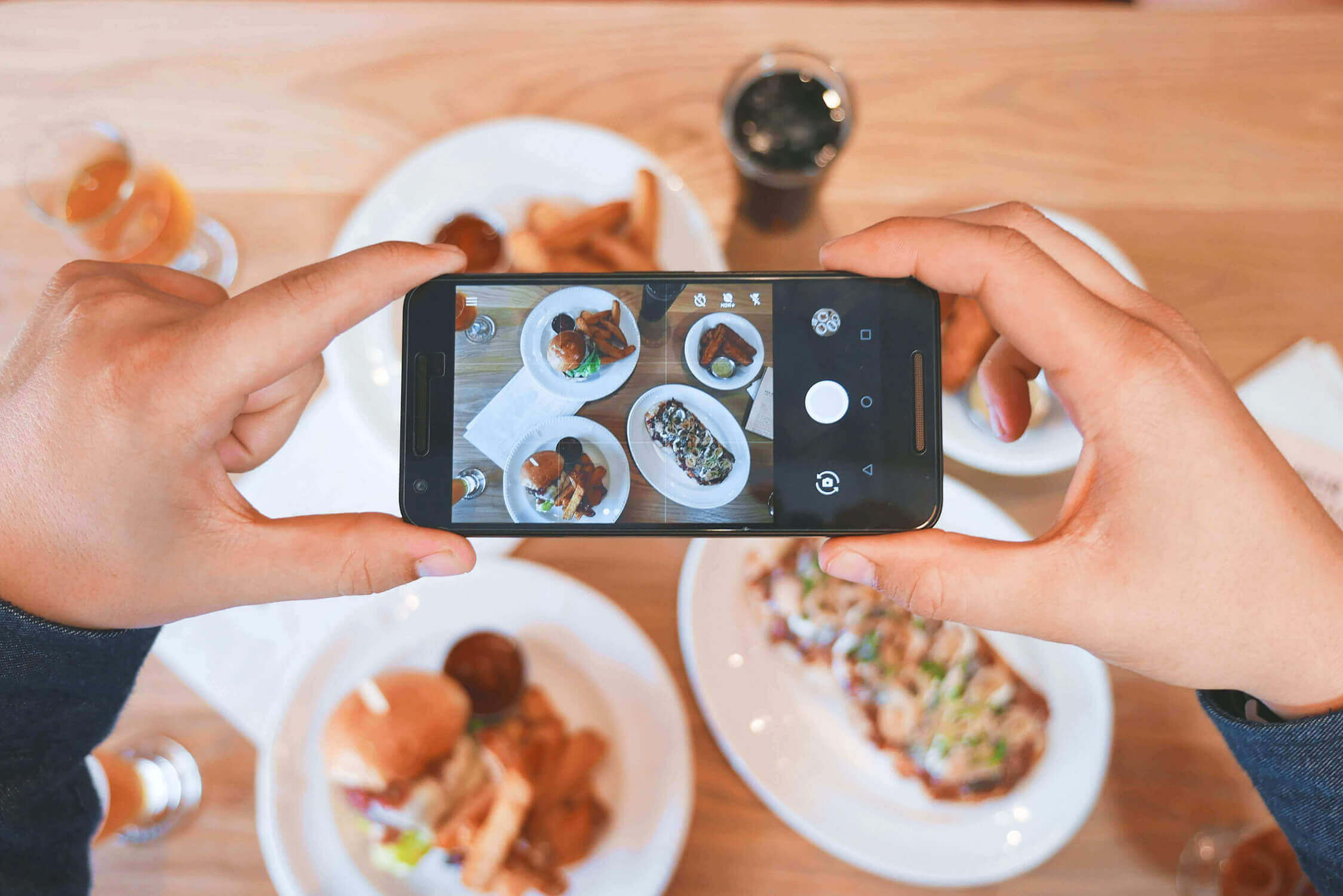
Marketing on Social Networks
Social networks have created a new way of exploring the dynamics of relationships between companies and their customers; marketing on social networks is more personal and interactive than any other medium, however it is also necessary to note that these new tools that emerge every day are increasingly complex and difficult for the average user to understand. Professional management of marketing on social networks requires the study and knowledge of other areas, such as virtual communities and connections. Marketing and communication are therefore currently following a path characterised by the existence of diversified, two-way communication channels, through which brands dialogue with their consumers and vice versa.
Online social networks currently present themselves as a platform for interaction with customers and potential customers, promoting loyalty. They also allow this same interaction to be in real time, since these networks are connected 24 hours a day, 365 days a year, companies and their users are almost automatically connected, always knowing each other's opinion. For example, a company launches a new product but wants to know whether it will be successful in the market or not; it can conduct a survey of its followers and, after processing the responses, know whether it will be accepted as is or will need to be changed. All this in real time or within a matter of days, whereas through other older systems this was all much more complicated and time-consuming. Social networks even allow a company a kind of market research at a very low cost.
Of all the social networks that exist today, perhaps Facebook is the one that seems to have the greatest impact given its size and reach, and its ability to evolve and reinvent itself through the many comments from its thousands of users.
- SOURCE: WIKIPEDIA
Aware of the power and potential of social networks, BeWide aims to help all companies grow and deliver results in this medium, through an active, capable and dynamic team.
To do this, simply create a Facebook page (or other social network) for your company and we will take care of the rest!
