
What is photography?
Trying to answer that question is like trying to answer the question “What is the meaning of life?”
This is because photography is very complex. It has many facets and types. Photography has as many technical aspects as creative ones. The way photography is done differs from person to person.
Furthermore, there is an unlimited variety in photos. In this sense, trying to explain the difference between a common snapshot and a work of art is a very difficult task. We can tell by looking at two photos which is which, but distinguishing amateur from professional is not an easy task.
Photography defined
When trying to quantify what photography is, it is important to first start with a definition of photography.
In layman's terms, photography is simply the process of capturing light with a camera to create an image.
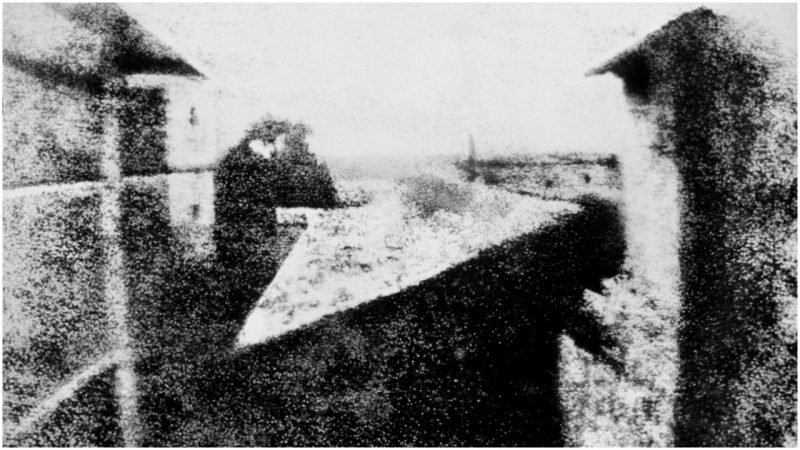
This was first done in 1826, when Joseph Nicéphore Niépce took a photo from his window. The image, shown above, was titled View from the Window at Le Gras.
In terms of subject, the photo is not impressive. However, being the oldest surviving photograph, it is an important part of the history of photography.
As simple as this image is, it perfectly demonstrates the technical process of photography.
To process the image captured with his camera, Niépce used a process of his own invention called heliography.
It required bitumen to be dissolved in lavender oil. The resulting substance was coated onto a lithograph. Once dry, an engraving was placed on the lithograph and then exposed to sunlight.
After drying, the lavender oil was removed along with any unhardened bitumen. The remaining areas on the surface of the lithograph were washed with acid to create the final image.
But Joseph Nicéphore Niépce is just one player in the history of photography. There were many other photographic achievements along the way.
The Daguerreotype
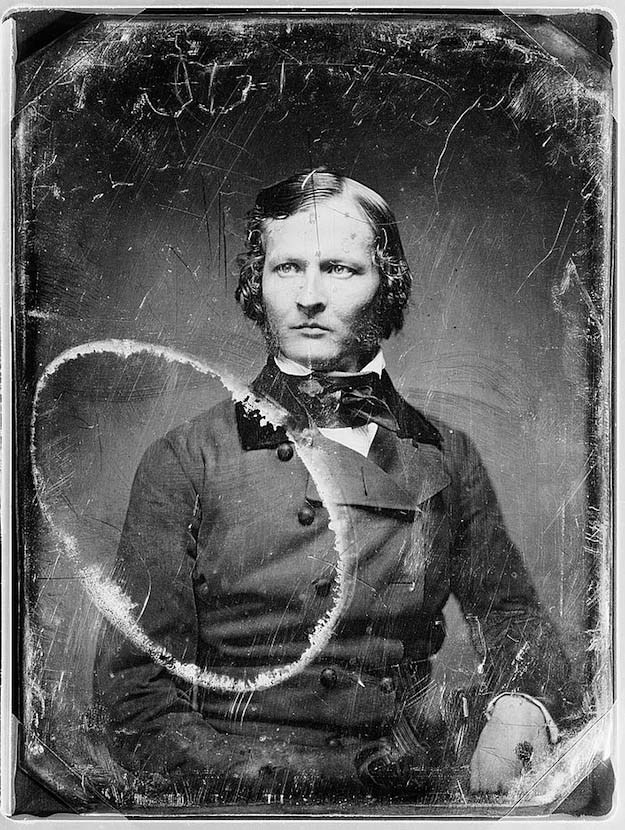
Invented in 1829 by Louis Daguerre, a French painter, the Daguerreotype process was based on Daguerre's work with Niépce. Daguerre's photography process shortened the very long exposure needed for a heliograph and resulted in images that were much clearer. Below, you can see his photo L’Atelier de l’artiste, which was created in 1837.
Light-sensitive paper
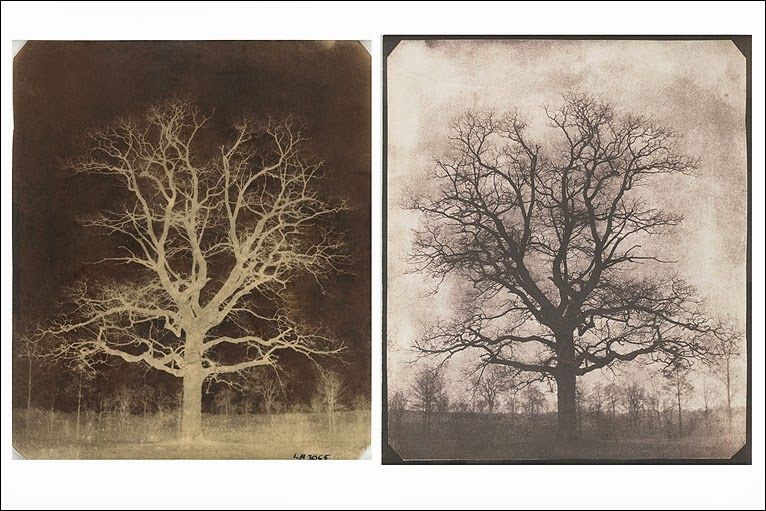
As amazing as the image quality of the Daguerreotype was, just weeks after Daguerre announced his process, Fox Talbot, a scientist from Great Britain, revealed that he had developed an entirely new way of creating photos.
Instead of relying on metal plates as Daguerre and Niépce did, Talbot used photosensitive paper. His method, called the calotype process, was publicised in 1841.
Roll film is invented
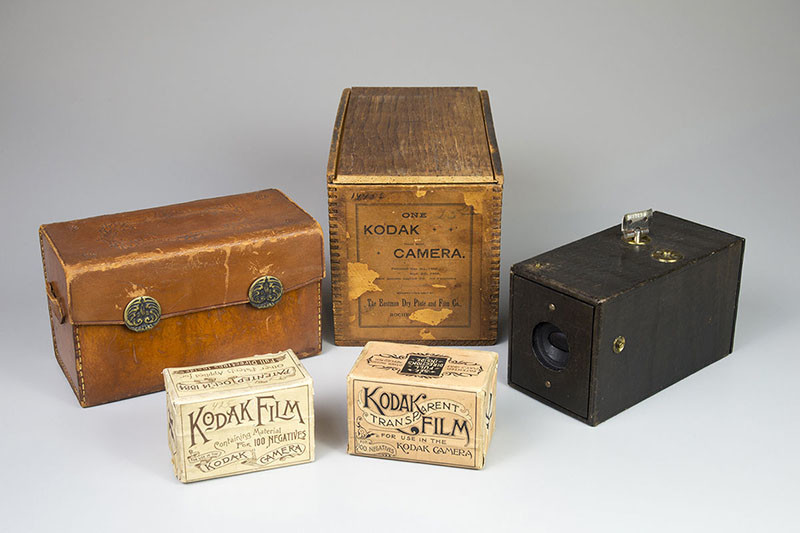
In 1888, George Eastman and his partner, Henry A. Strong, used roll film for the first time.
This Eastman Kodak film was made of transparent cellulose and came in a 70 mm format. The rolls were then cut in half (by Thomas Edison) to create what became the standard 35 mm film size.
These small, easy-to-use rolls revolutionised photography to such an extent and made it accessible to everyone.
From there, many other advances were made in photography, including the development of 35mm cameras, instant film, digital photography and the development of mobile photography.
We can say that George Eastman popularised photography, invented the Kodak Brownie, which democratised the practice of photography, allowing anyone to take their own photographs. It was sold for 1 dollar and in the first year 100,000 units were sold. Many consider this the most important camera ever because, being so cheap to produce, for less than 2 dollars any family could buy a Brownie, the roll and the development; it was accessible and easy to use from professionals to children.
Famous photographers who popularised photography
It would be impossible to list all the photographers over the years who have contributed to making photography a worldwide activity for millions. In fact, it is almost impossible to narrow down a list of the most famous photographers to less than several dozen.
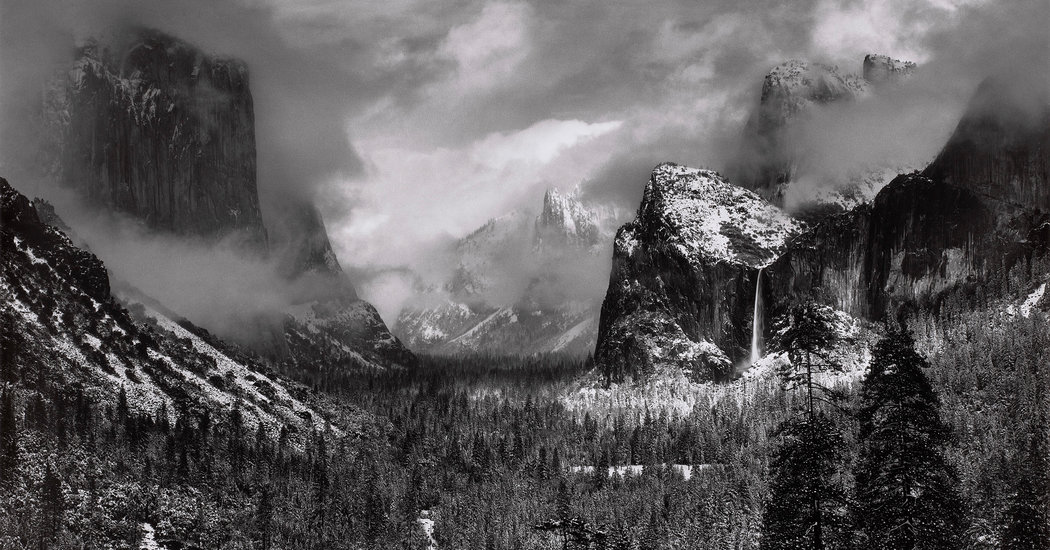
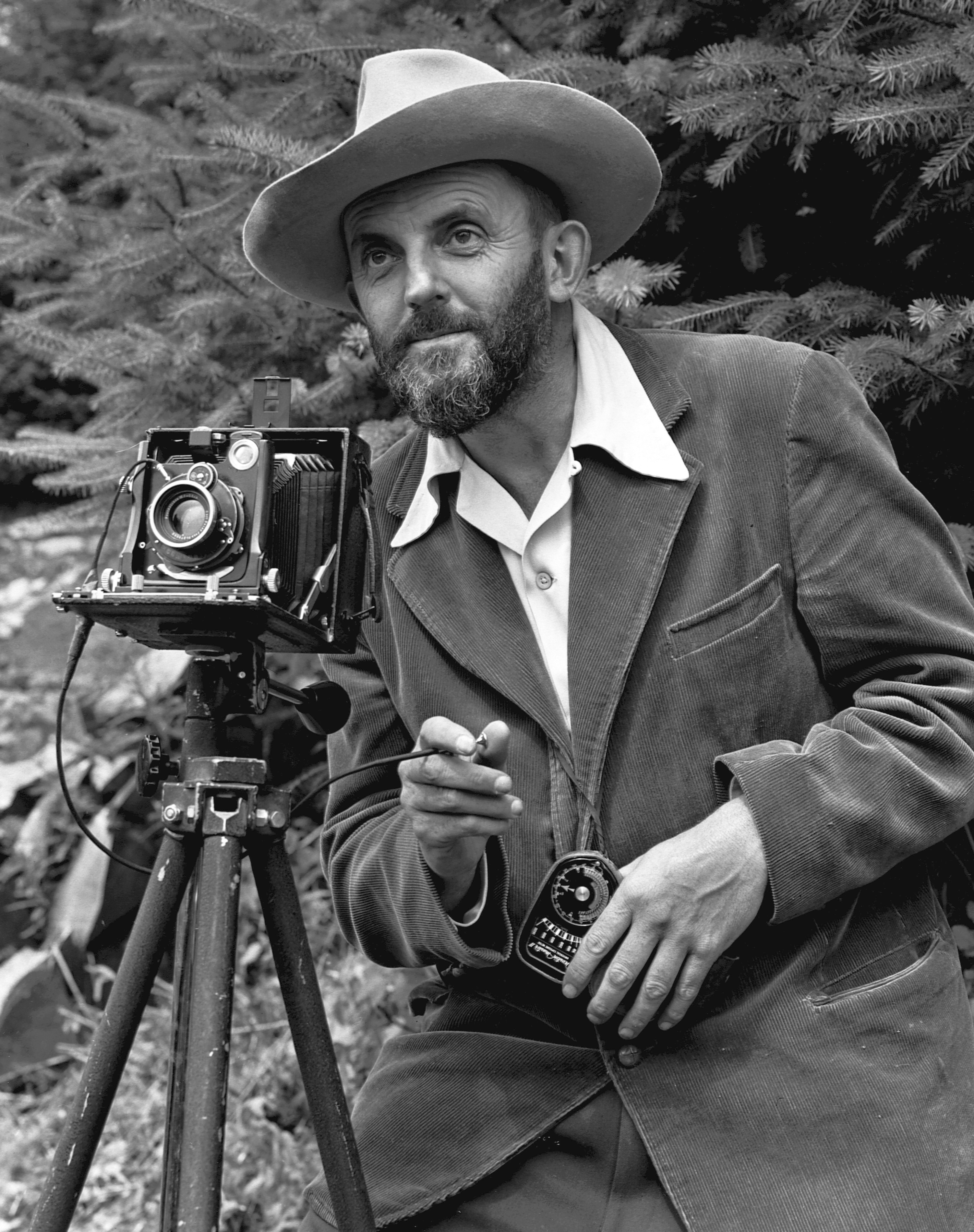
Ansel Adams
• Ansel Adams, whose most famous work includes black and white photos of American western landscapes (such as the Snake River and Tetons). He is perhaps the most famous photographer in history and helped popularise landscape photography, as well as the preservation of natural spaces. One of Ansel Adams' most famous quotes is: “You don't take a photograph, you make it.”
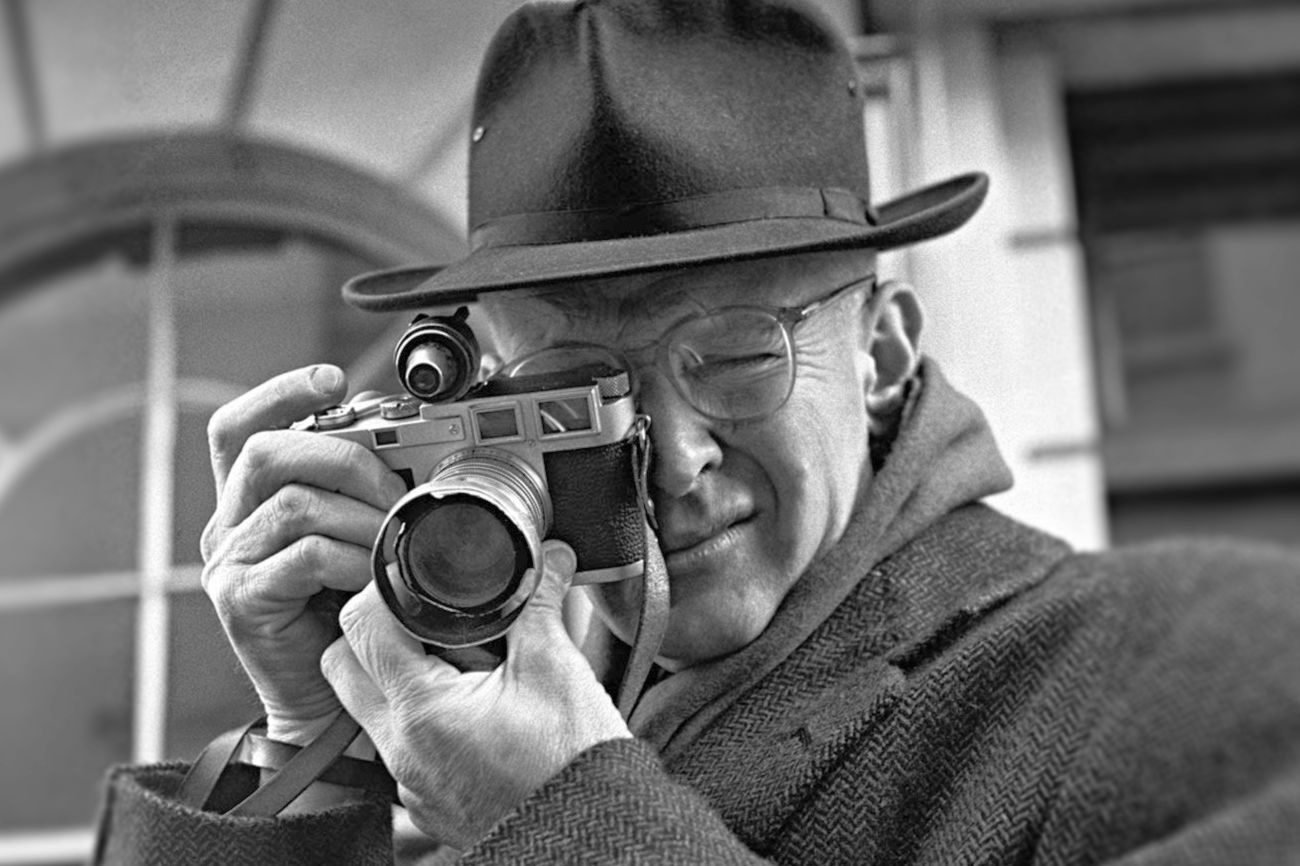
Henri Cartier-Bresson
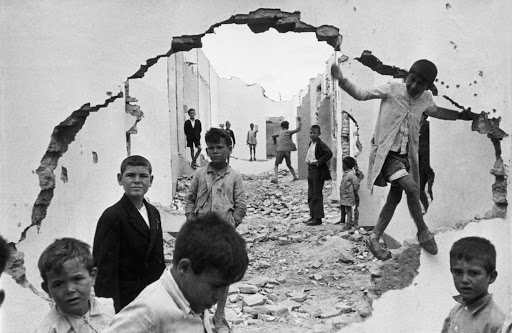
• Henri Cartier-Bresson, considered the father of photojournalism. His candid portraits and street scenes captured the imagination of millions. He also photographed some of the most important events in history, including the Chinese Revolution and the social and economic changes in the United States after the Second World War. One of Henri Cartier-Bresson's best quotes is: “For me, photography is the simultaneous recognition, in a fraction of a second, of the significance of an event.”
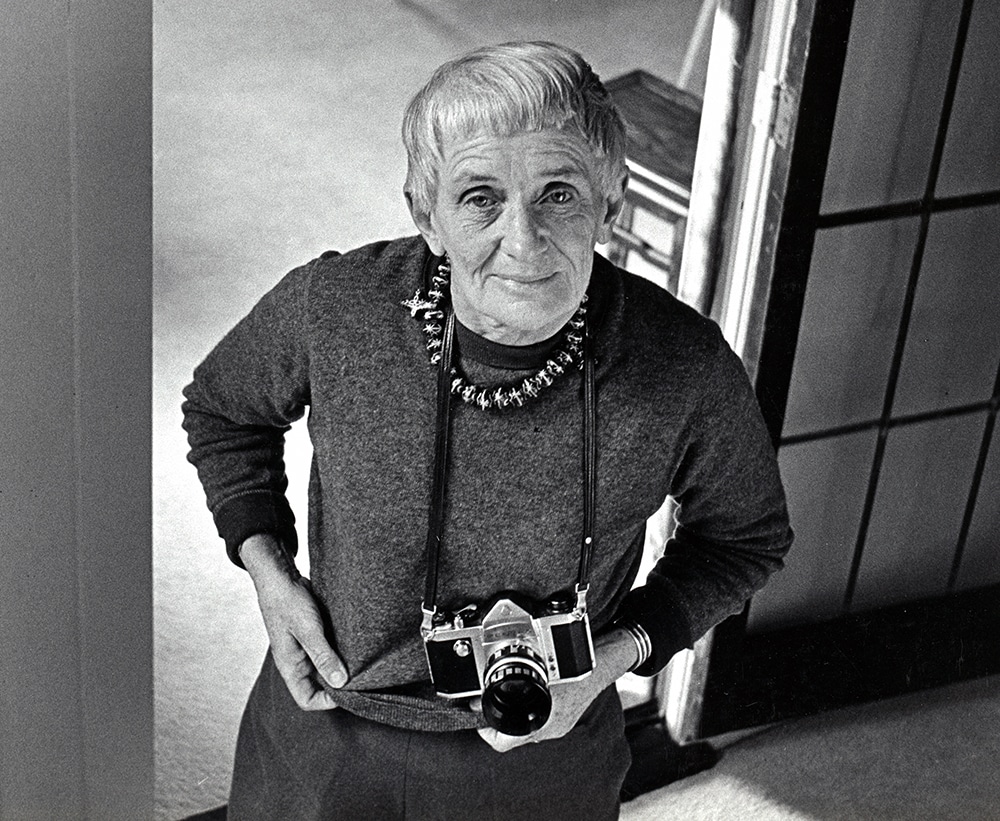
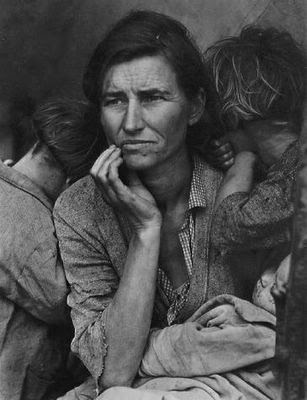
• Dorothea Lange, who became one of the most famous photographers in history, thanks to her documentary-style photographs of the Great Depression. In fact, anyone who has seen photos from that era is very likely to have seen some of her photos. Besides recording an important era in American history, Lange's work showed the world how powerful a camera can be. One of Dorothea Lange's most famous quotes is: “While there is perhaps a province in which the photograph can tell us nothing more than what we see with our own eyes, there is another in which it proves to us how little our eyes allow us to see.”
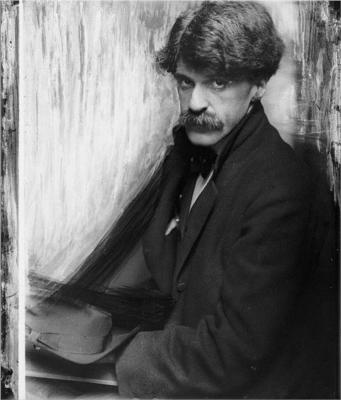

• Alfred Stieglitz, who popularised photography as an art form in the late 1800s and early 1900s. He is best known for portraits that had feeling and emotion that made them more than just a snapshot of a moment in time, but a piece that told the story of that person at that moment. The current perception of photography as art, on a par with paintings and sculptures, is largely due to Stieglitz. One of Alfred Stieglitz's most famous quotes is: “I am not a painter, nor an artist. Therefore I can see clearly and that may be my ruin”.
The importance of photography.
The importance of photography lies simply in the fact that, without it, we would not be able to preserve the memory of important moments in our lives and in history.
Think for a moment about some of the most influential images ever taken.
These photos are much more than simple pictures. They represent the world, humanity, us. They tell us what we have achieved as a species.
Photos show us all the extraordinary abilities we possess, but also remind us of the horror we are capable of.
Some of these photos became history because they were the first of their kind, others because they help us understand who we are and give us a glimpse of the world and events we never knew or remembered.
Photography can not only tell us about our past, but it can also change our future.
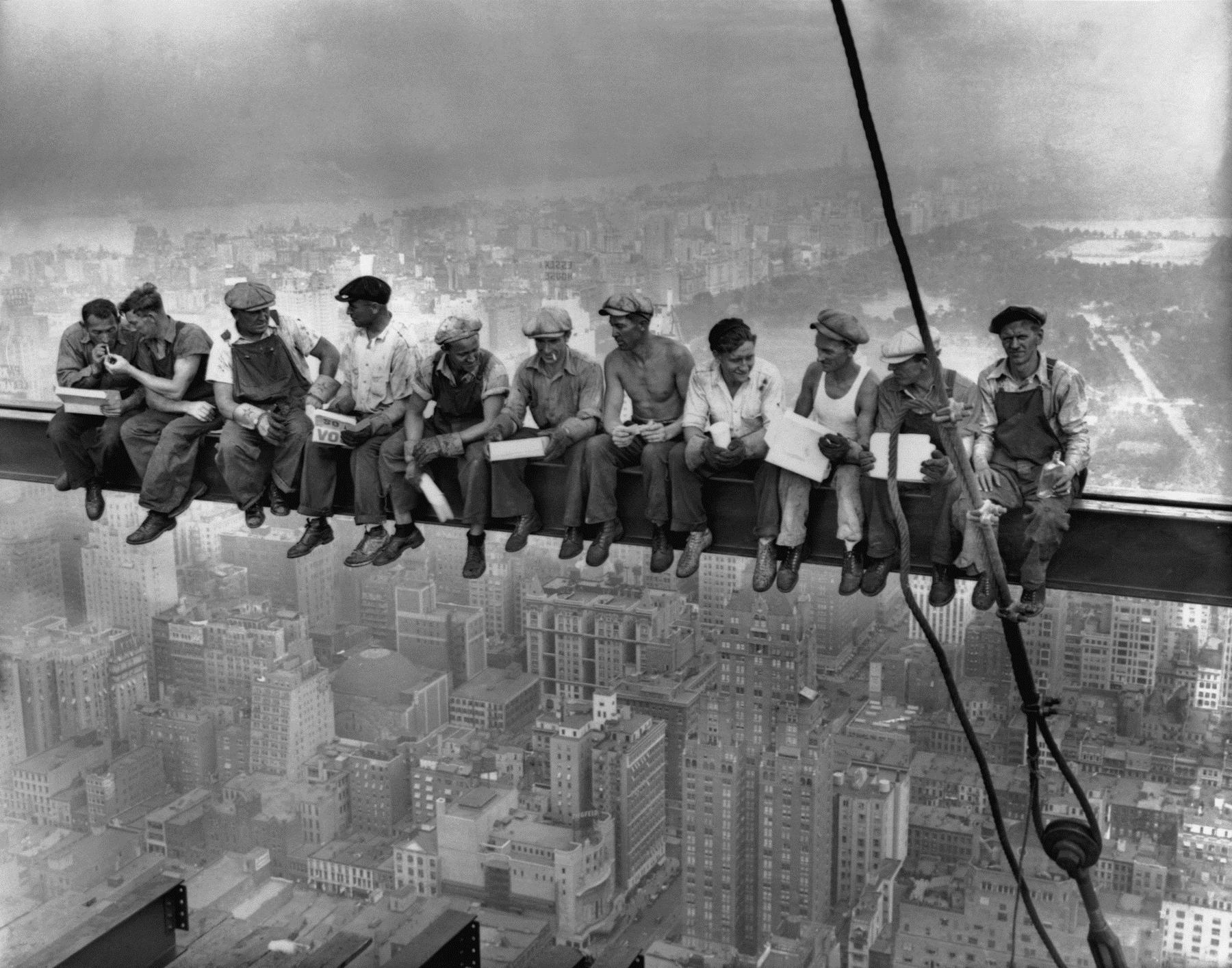
More than 250 metres above Manhattan, these men are taking a break, casually chatting and smoking during the construction of the Rockefeller Center. This image helped affirm the idealistic belief that New York is not afraid to take on any project.
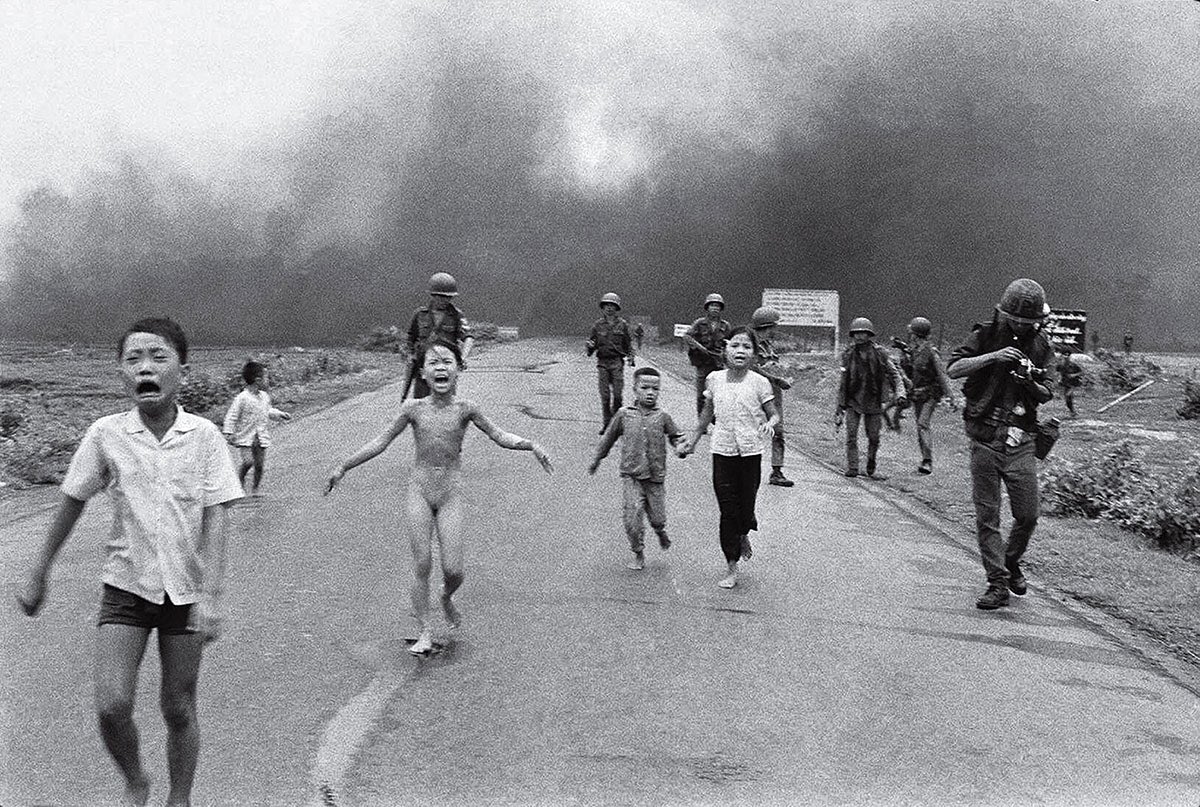
The Terror Of War, Nick Ut, 1972 – Nick Ut
Phan Thi Kim Phuc was nine years old when this photo was taken. The horror of war is represented in this photo through the desperate screams of children surrounded by soldiers. Phan Thi Kim Phuc was naked because she was hit by napalm. This photograph became a symbol of the anti-war movement against the atrocities of the Vietnam War.
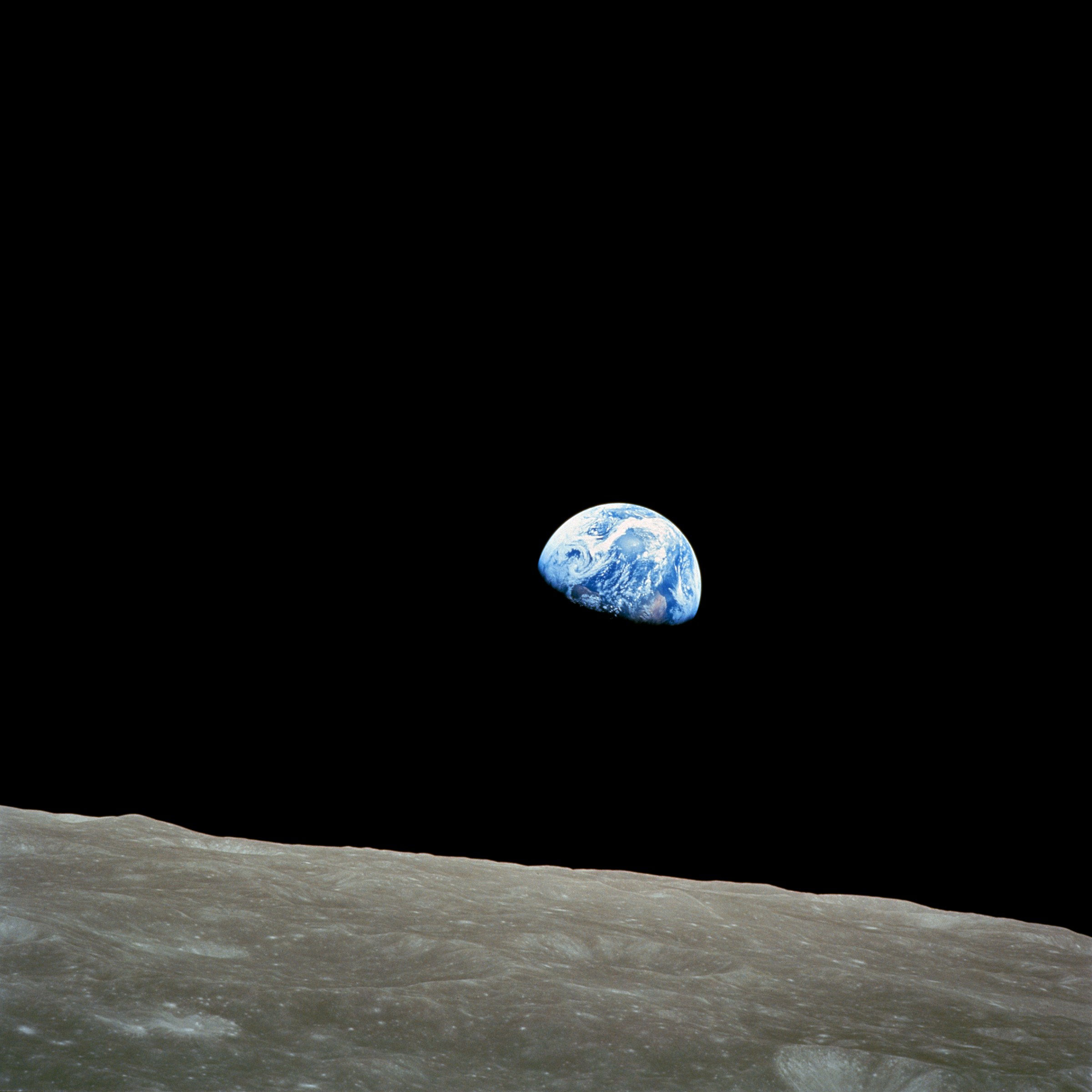
Earthrise, William Anders, NASA, 1968 – William Anders
Taken from lunar orbit during the Apollo 8 mission. These spectacular images helped spark the environmental movement.
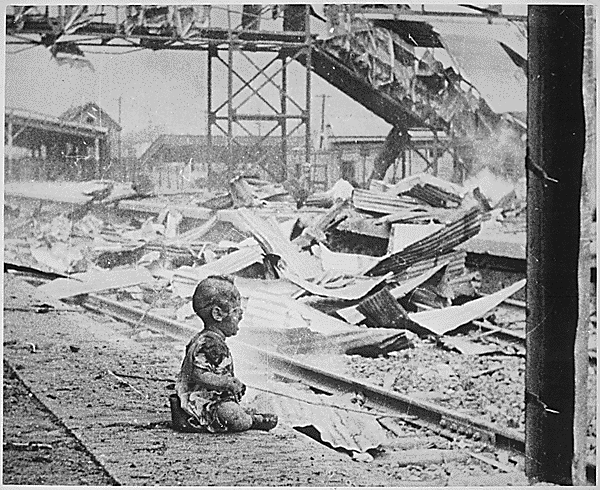
Bloody Saturday, H.S. Wong, 1937 – H.S. Wong
H.S. Wong took this photo in Shanghai, after the conflict with Japan. One of the most important photos of all time.
Photography is important because it is an art form.
Like painting, with photos we can create an image and add our own interpretation to it. We can paint with light, or use software to edit and add our personal touch to the images.
Playing with light and shadows, colours and contrasts, composing images through elements of visual art and harnessing the power of science and digital devices to offer a representation of the world as YOU, the photographer, see it.
Photography is a language
We can be explicit with words, tell stories, write blogs and send messages clearly so that everyone can understand.
With photographs, we can create our own language. We have to dig deeper and find a different way to “speak” and express ourselves.
Colours, contrasts, different framings are ways of telling stories with photography and developing a language that expresses feelings and emotions in a way that sometimes goes beyond words.
“Photography is about expression.
We try to capture light the way we want because it is a form of expression.
Photography is a window into the subconscious and photographs are a manifestation of that. The way we approach photography is ultimately an expression of our mood, upbringing, values, victories and defeats.
It happens to us when we press the shutter button, whether we realise it or not.
The question that arises is, what is Photography?
The good part about this question is that it is entirely subjective, just like photography. It is all an interpretation, there is no right answer, and we can all learn something from the way others see the world.
Photography is the equipment, it is the exposure and composition, it is the light and the post-processing. But in the end, is all that really so important? What are we trying to say? If we have nothing to say, it shows in our photographs.”
– Rodolfo Fernandes