
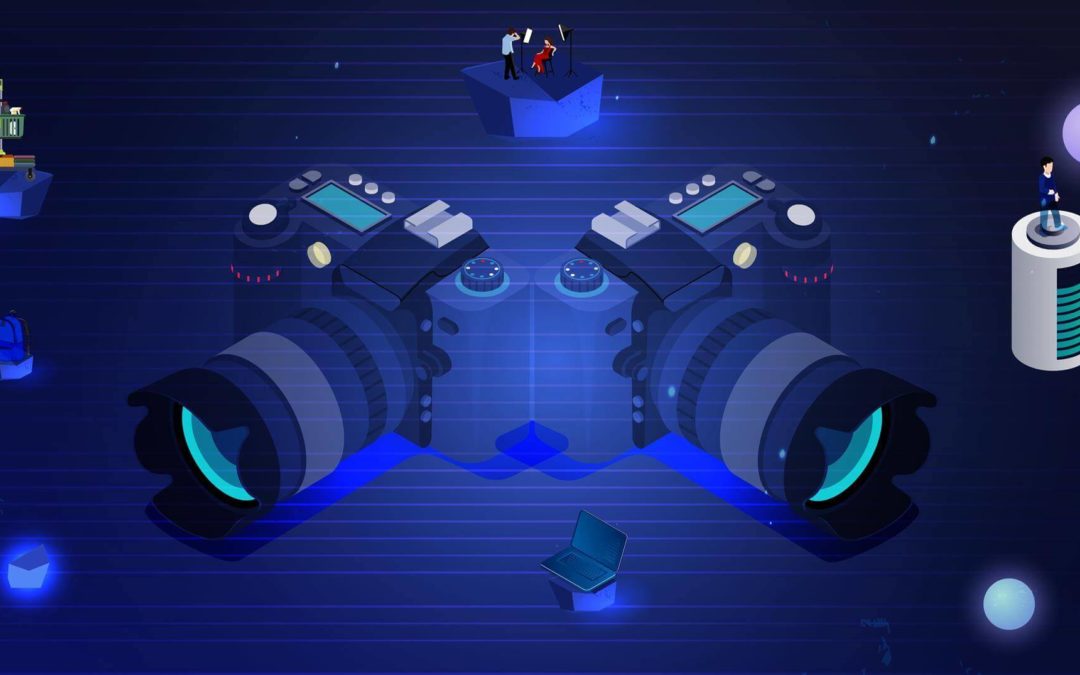
Find out what equipment you need to get started in photography:
- Camera and lens
This is the starting point. When it comes to professional photography, you inevitably have to talk about DSLR or mirrorless cameras, which allow you to change lenses, attach a flash, and manually adjust the camera settings to get the photo just the way you want it.
Choosing the best camera is often a matter of weighing up cost and benefit. For professional photography, full-frame cameras are preferable because they generally have advanced systems, a robust build, more features, and perform better in challenging conditions, such as low light.
When you buy a camera, it usually comes with a lens, known as the kit lens. Generally speaking, these are zoom lenses that cover a range of focal lengths.
Today's kit lenses deliver better image quality than those from previous generations. However, if you need higher quality, you may need to buy a new lens.
- Spare battery
A DSLR camera battery usually has good battery life, but it doesn't hurt to be prepared and always have a spare battery on hand. If you forget to charge the battery, or a session takes longer than expected, a spare battery can solve the problem.

- Tripod
People often think a tripod isn't necessary. It doesn't matter if you have the best camera in the world and the best lenses; if the photo comes out blurry or with motion blur, it's a wasted effort. That's why a tripod is extremely important. What's more, a tripod can add creativity to your photography, especially for night shots or long exposures. It also has the advantage of making you work more slowly and think more carefully about the photo, resulting in fewer unwanted shots and more beautiful, complete images.

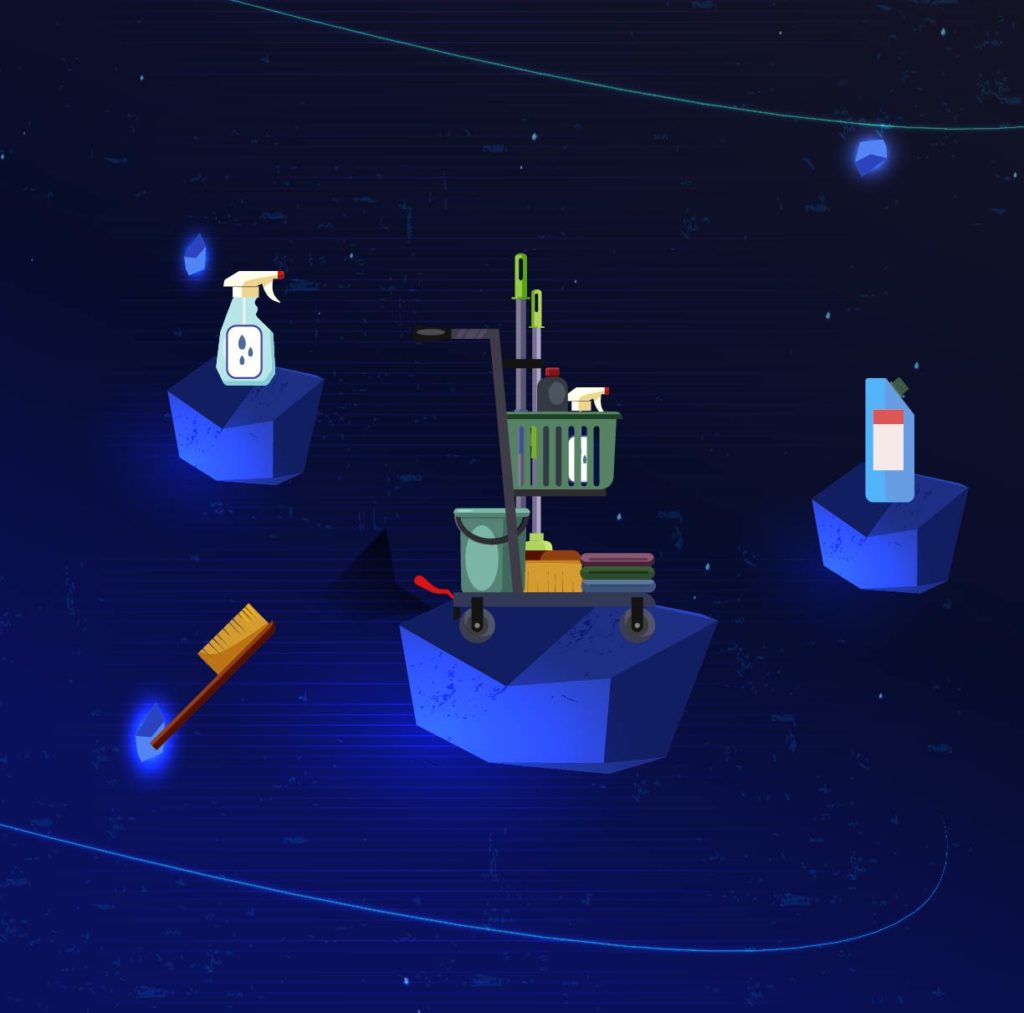
- Cleaning equipment
The camera body and its lenses tend to accumulate dust and moisture, regardless of where they are stored. This can compromise image quality, either through unwanted particles or the development of mould due to moisture.
Using cleaning kits like a Lenspen and air blower is essential for removing dust from the lens and camera sensor. A soft cloth, in turn, can help remove moisture. Blowing to remove dust is not recommended, as some saliva particles can be carried with the air and create moisture.
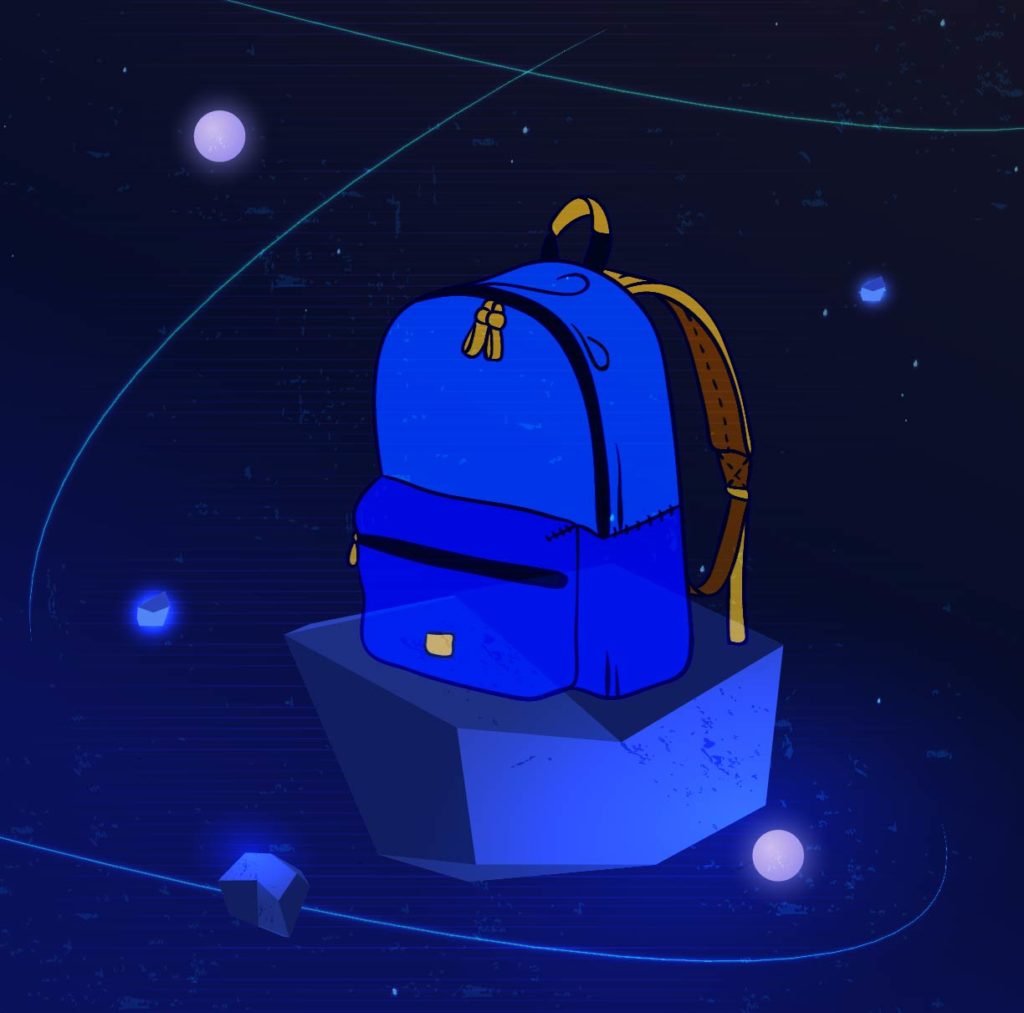
- Backpack
Carrying all this equipment by hand is out of the question. On the other hand, carrying everything loose in any old bag is also not an option.
So, when choosing a backpack to carry your kit, look for models specifically designed for photography. They have well-defined compartments to hold items in place and absorb impacts, and they should be waterproof to prevent damage in rainy conditions.
- Computer
Although almost everyone has a computer, when we talk about a computer for photography, we mean a computer with higher capabilities to transfer and edit photos easily and without much delay.

Did you enjoy this article?
Now that you're informed about the equipment needed to get started in photography, here's a list of material suggestions for you to buy!
Camera – Canon 90D + 18-55mm Lens
Battery – CANON Original LP-E6N
Tripod – MANFROTTO with 3-Way Head
Cleaning Kit – GOODIS Cleaning Kit
Backpack – LOWEPRO TAHOE Backpack
Computer – HP Pavilion Laptop